Dog allergy answers, minus the guesswork.
Practical, plain-English guides built from published veterinary sources — every expert quote is real and linked. How to run a clean food trial, what the signs actually mean, and how to care for a dog that's prone to flare-ups.
Run a clean 8–12 week food trial — and don't waste it on an avoidable mistake.
8 guides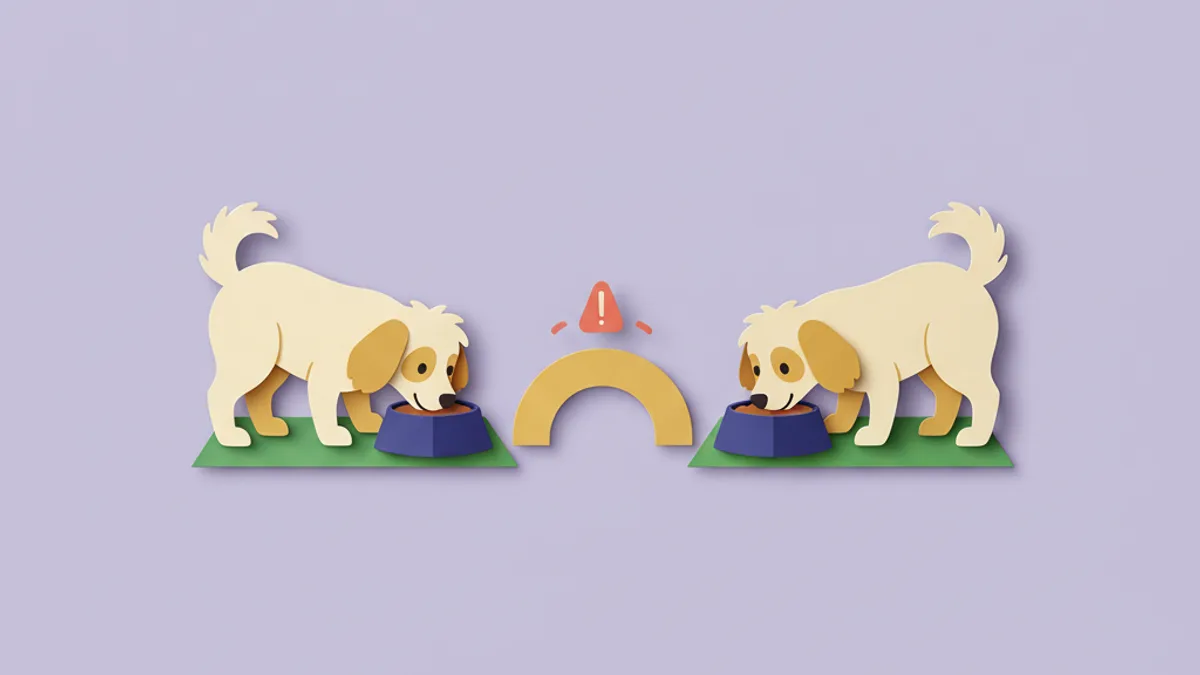 Elimination trials
Running a Food Trial in a Multi-Dog Household (Without Cheating)
One dog on a strict food trial; another dog (or the cat) whose bowl is fair game. Multi-pet homes are where trials quietly fall apart. Here's how to keep it clean — feeding stations, supervision, and the household rules that actually hold.
 Elimination trials
Home-Cooked Elimination Diets for Dogs (Done Safely)
Cooking your dog's elimination diet yourself gives you total control over every ingredient — a real advantage for a food trial. But there's a catch most owners never hear: the vast majority of homemade recipes are nutritionally unbalanced. Here's how to get the benefit without the risk.
 Elimination trials
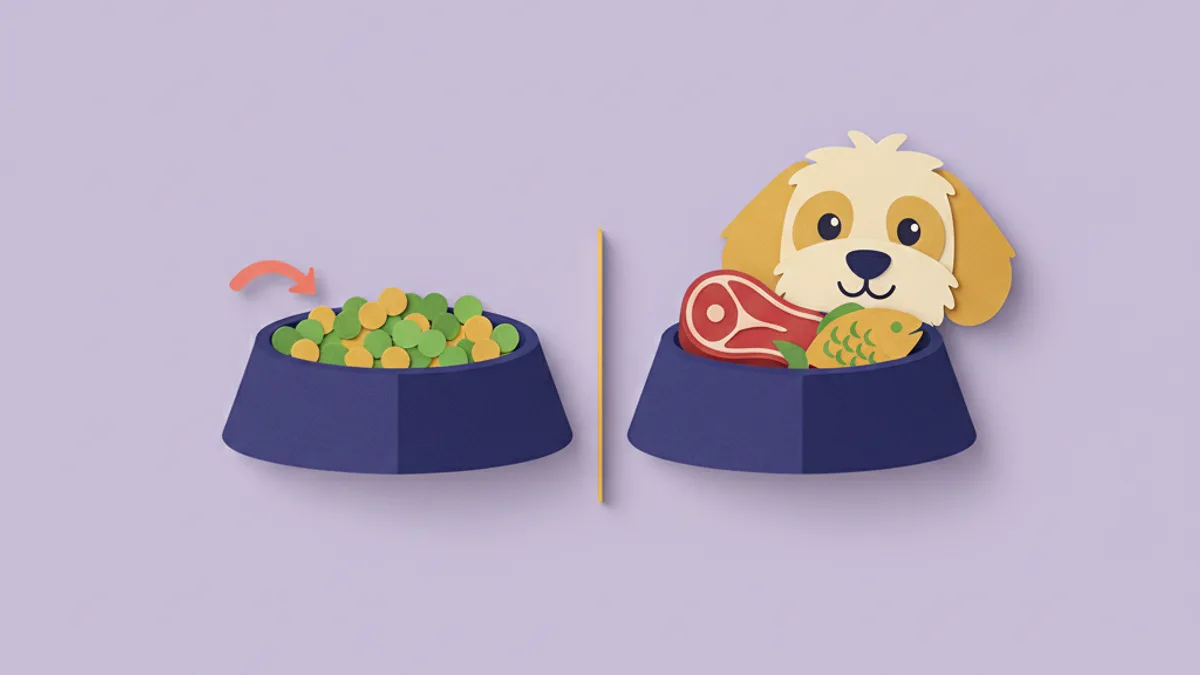
Hydrolyzed vs. Novel-Protein Diet: Which for Your Dog's Trial?
Your vet says 'hydrolyzed or novel protein' — but which one, and what's the difference? Both can diagnose a food allergy equally well; the right pick depends on one thing most owners overlook. Here's how to choose, with the science explained simply.
 Elimination trials
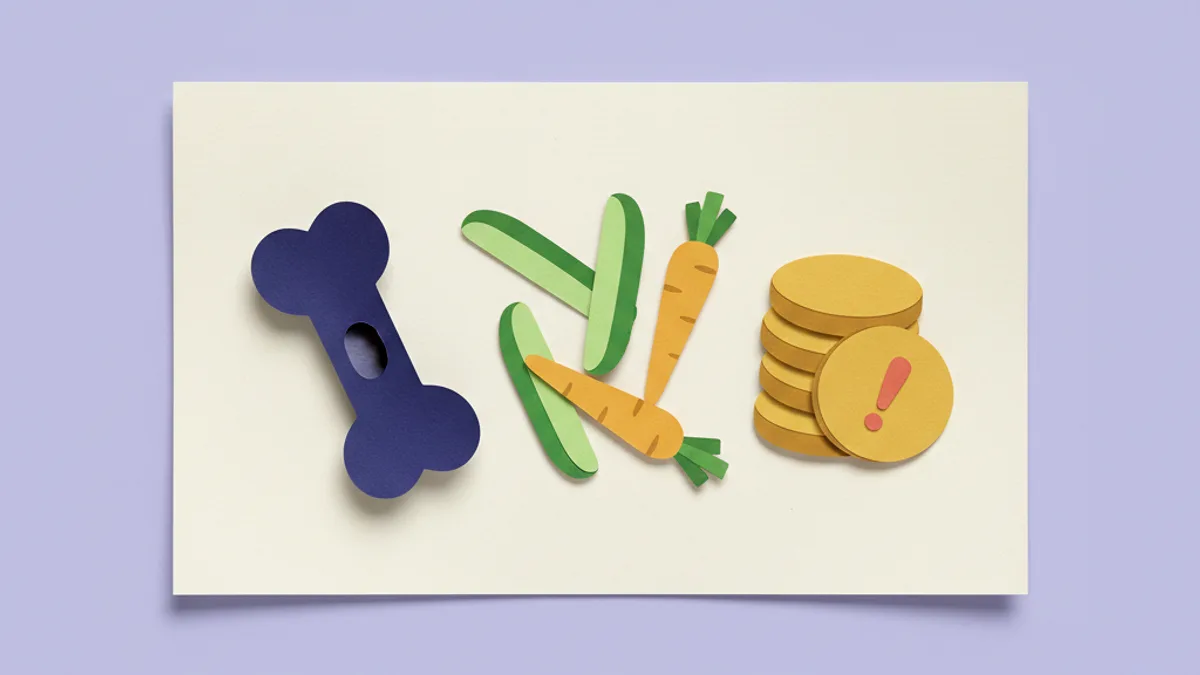
Safe Treats & Training Rewards During a Dog Elimination Diet
“What on earth can I give my dog for twelve weeks?” It's the question that makes owners cheat — and cheating wrecks the trial. The good news: you can absolutely still reward your dog. Here's how to do it safely, from board-certified dermatologists.
 Elimination trials
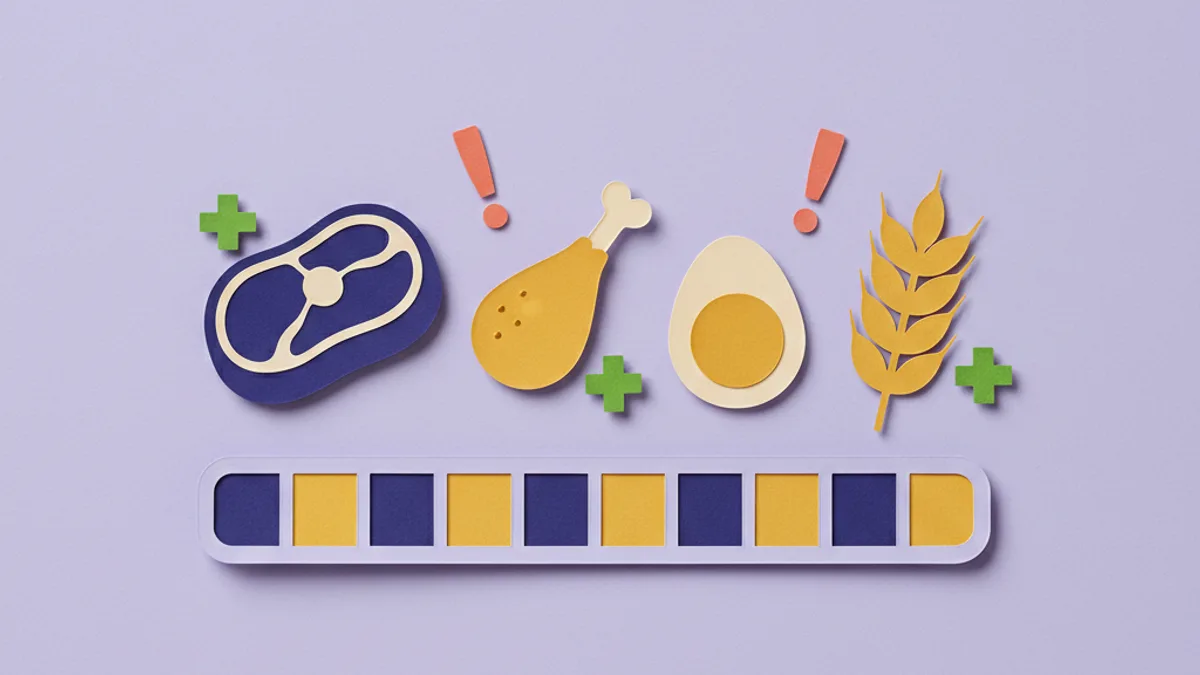
Dog Food Reintroduction Schedule: One Ingredient at a Time
The elimination diet tells you food is the problem. The reintroduction phase tells you which food. Here's a clear, vet-sourced schedule for challenging ingredients one at a time — without undoing all your hard work.
 Elimination trials
How Long Does a Dog Food Trial Take? The 8–12 Week Timeline
Two to three months feels like forever when your dog is itchy now. Here's exactly why vets ask for 8–12 weeks, what changes week by week, and the data that explains why quitting at week four wastes the whole trial.
 Elimination trials
How to Do an Elimination Diet for Dogs (Step-by-Step Guide)
An elimination diet is the gold-standard way to find out whether food is behind your dog's itching or tummy trouble. Here's exactly how it works — from picking the right diet to the all-important re-challenge — in plain English, sourced from board-certified vets.
 Elimination trials
7 Ways Owners Accidentally Ruin a Dog Food Trial (and How to Prevent Each)
A food trial is the gold standard for diagnosing a dog food allergy — and the easiest thing in the world to wreck without realising. Here are the seven slips that invalidate a trial, straight from board-certified dermatologists, and exactly how to avoid each one.
Itchy paws, red ears, tummy trouble — what the signs mean and when food is the culprit.
10 guides Symptoms & signs
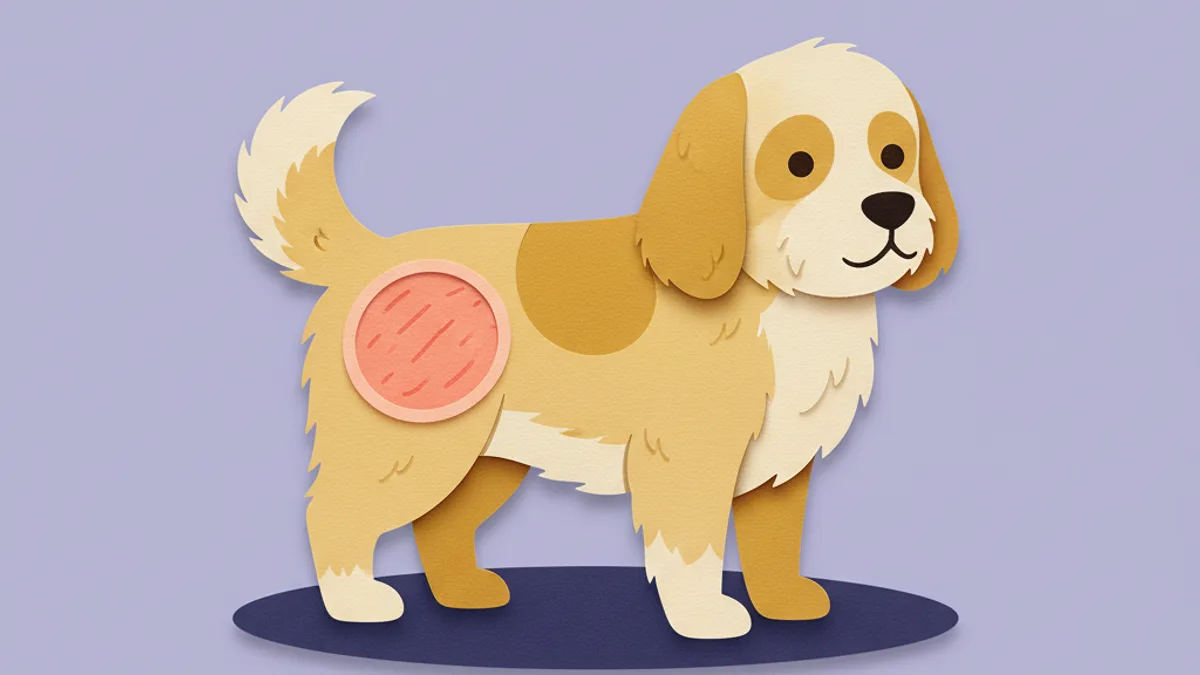
My Dog Is Itchy but Has No Fleas — What's Going On?
You've parted the fur, checked everywhere, and found nothing — yet your dog scratches like something's there. So what's causing flea-free itching? Here are the real culprits, in order of likelihood, and how to get to the bottom of it.
 Symptoms & signs
Dog Hair Loss & Bald Patches: Causes and the Allergy Link
Bald spots, thinning fur, a coat that's lost its shine — hair loss in dogs is alarming, but the pattern tells a story. Itchy or not? Patchy or symmetrical? Here's how to read it, what's usually behind it, and why allergies top the list.
 Symptoms & signs
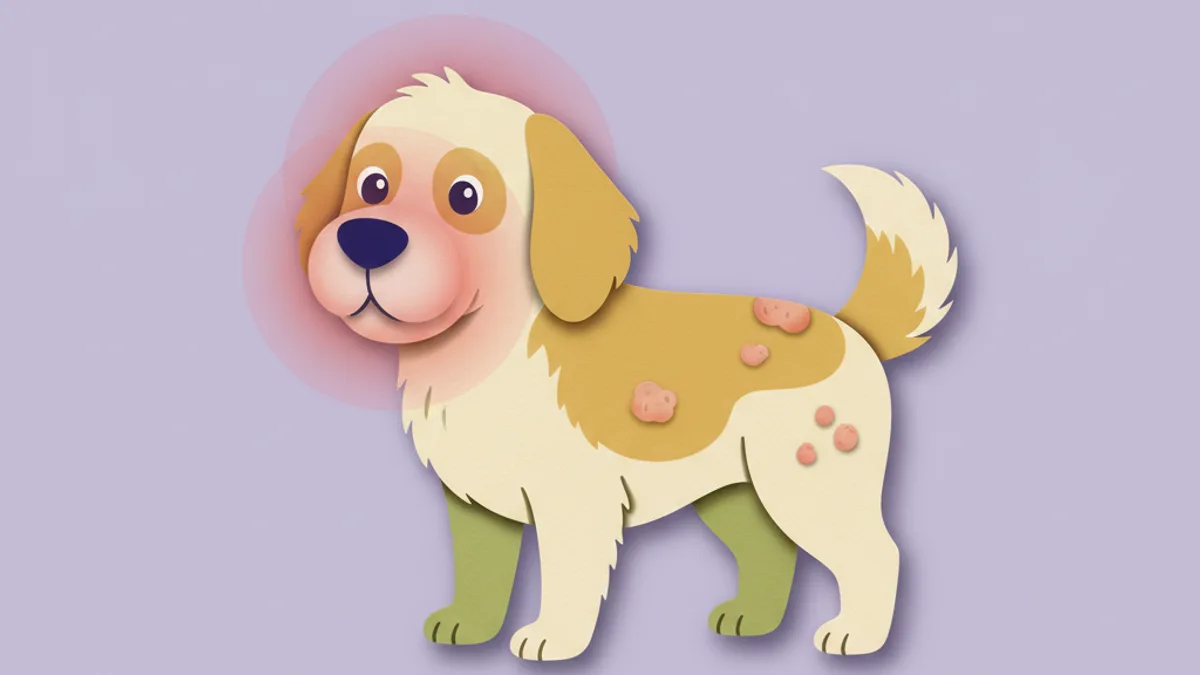
Yeast Infections in Dogs (Skin, Paws & Ears): The Allergy Link
A musty 'corn-chip' smell, greasy red-brown skin, ears and paws your dog won't leave alone — that's often a yeast infection. And here's the part most owners miss: it's usually a symptom of an allergy underneath. Here's the full picture.
 Symptoms & signs
Dog Hives & Facial Swelling: When It's an Emergency
Your dog's face puffs up or welts erupt across their body out of nowhere. Most of the time it settles — but sometimes it's the first sign of a life-threatening reaction. Here's how to tell which is which, and exactly what to do.
 Symptoms & signs
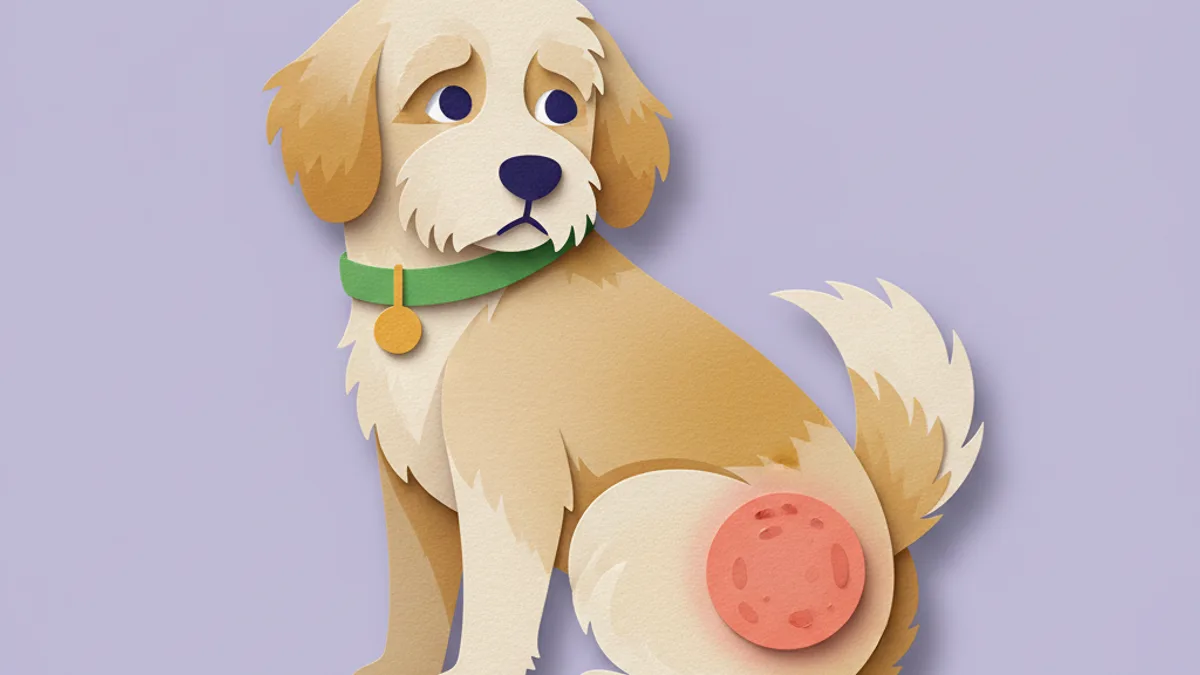
Hot Spots on Dogs: Causes, Treatment & the Allergy Link
A hot spot can go from nothing to a raw, weeping, painful patch in a matter of hours. They're miserable for your dog — but they're also a clue. Here's what triggers them, how they're treated, and why the ones that keep returning are really an allergy in disguise.
 Symptoms & signs
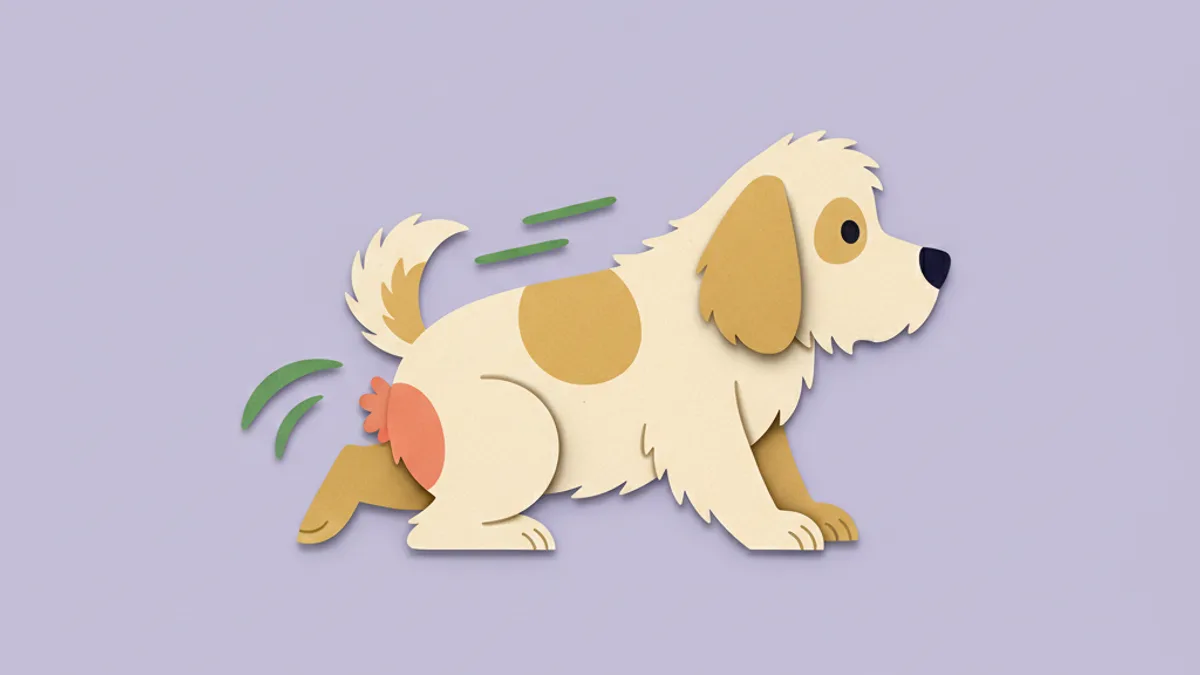
Why Is My Dog Scooting? Causes, Anal Glands & the Allergy Link
It looks comical, but a dog dragging its bottom across the floor is telling you something's irritated back there. Usually it's the anal glands — and surprisingly often, an allergy is the reason they keep playing up. Here's the full picture.
 Symptoms & signs
Recurring Dog Ear Infections: Is It a Food Allergy?
Clean the ears, the drops work, everyone's happy — then weeks later it's back. Recurring ear infections almost always have a hidden driver, and in dogs that driver is usually allergy. Here's how to stop treating the symptom and fix the cause.
 Symptoms & signs
Why Does My Dog Keep Licking His Paws? Causes & What to Do
That relentless 3am lick-lick-lick isn't a quirk — it's almost always your dog telling you something itches or hurts. Here's what's really behind constant paw licking, the cycle that makes it worse, and how to break it.
 Symptoms & signs
Food vs. Environmental Allergies in Dogs: How to Tell Them Apart
Itchy paws, red ears, endless scratching — food allergy and environmental allergy cause the exact same misery, and dogs often have both. Here's how vets actually tell them apart, and why the difference completely changes what you do next.
 Symptoms & signs
Itchy Dog After Changing Food? What It Means (and What to Do)
You switched foods and now your dog won't stop scratching. Is it the new food, a coincidence, or something else entirely? Here's how to tell a food reaction from the look-alikes — and the one test that actually settles it.
What's really in the bowl — allergens, myths, labels and how to choose the right diet.
5 guides Food & nutrition
How to Read a Dog-Food Label (and Spot Hidden Proteins)
That 'with real chicken' on the front? It can legally mean just 3% chicken. Dog-food labels follow strict rules — and once you can read them, you'll spot hidden proteins, decode 'complete and balanced', and choose food with clear eyes. Here's the cheat sheet.
 Food & nutrition
Novel Proteins for Dogs Explained (Kangaroo, Venison & Friends)
Kangaroo? Alligator? Insect protein? 'Novel protein' diets sound exotic, but the idea is simple — and getting it right (or wrong) shapes your dog's whole allergy journey. Here's what novel really means, why it works, and the rule that keeps your options open.
 Food & nutrition
Food Allergy vs. Food Intolerance in Dogs: What's the Difference?
People use 'allergy', 'intolerance' and 'sensitivity' interchangeably — but in dogs they mean genuinely different things, with different mechanisms and different signs. Here's the real difference, why it matters, and the one test that sorts both out.
 Food & nutrition
The Most Common Dog Food Allergens (The Complete List)
Which foods actually cause dog allergies — and which ones get unfairly blamed? Here's the complete list, ranked by how many confirmed cases each causes, plus the one principle that explains why your dog reacts to the foods they've eaten the longest.
 Food & nutrition
The Grain-Free Myth: Are Grains Really Your Dog's Problem?
“Switch to grain-free” is the internet's go-to advice for an itchy dog. The problem? Grains are near the bottom of the list of real dog allergens — and grain-free diets have been caught up in an FDA heart-disease investigation. Here's what the evidence actually shows.
Day-to-day management — vet visits, soothing the itch, and keeping flare-ups at bay.
6 guides Living with an allergic dog
Allergy-Prone Dog Breeds: Is Yours on the List?
Allergies aren't bad luck — they're substantially genetic, and some breeds draw the short straw. If you've got a Lab, a Frenchie, a Westie or a Boxer, here's what the predisposition means, why it happens, and the head start you can give them.
 Living with an allergic dog
Bathing & Paw Care for an Allergic Dog (The Right Way)
For an itchy, allergic dog, bathing isn't just grooming — it's treatment. But only if you get the frequency, the water temperature and the all-important contact time right. Here's how to bathe and care for paws the way dermatologists actually recommend.
 Living with an allergic dog
Seasonal Allergies in Dogs: A Year-Round Management Guide
When the pollen rises, some dogs start scratching like clockwork. Seasonal allergies in dogs show up on the skin, not the nose — and while you can't cure them, a smart year-round plan keeps the flares small. Here's how to manage them, season by season.
 Living with an allergic dog
How to Soothe Your Itchy Dog at Home (Safely)
When your dog can't stop scratching, you want to help right now. Here are the home measures that genuinely, safely give relief — and the internet favourites to skip because they don't work or can hurt. Plus the honest truth: comfort buys time, but it isn't a cure.
 Living with an allergic dog
Apoquel vs. Cytopoint vs. Immunotherapy: A Plain-English Guide
Your vet mentions Apoquel, or Cytopoint, or 'allergy shots' — and you nod along, none the wiser. Here's a clear, no-sales-pitch guide to how the main allergy treatments actually work, so you can have a smarter conversation with your vet.
 Living with an allergic dog
How to Get the Most From Your Dog's Vet Dermatology Appointment
A great allergy appointment isn't luck — it's preparation. Your vet is a detective, and you're holding most of the clues. Here's exactly what to bring, what to expect, and the questions to ask, so you leave with a plan instead of another 'let's wait and see'.
Turn reading into a real answer.
Guides help — but only a clean trial proves what your dog reacts to. ThePawcess runs the 8–12 week trial with you and flags a slip before it resets weeks.